
A person is not one thing. The Torah speaks of the soul with several names, and the Kabbalists understood those names as levels, each one standing closer to its Source than the one below it. Knowing the five levels changes how we read many things in Jewish life, from what happens at prayer to what happens at death.
The five names
Bereshit Rabbah 14:9 lists five names for the soul: Nefesh, Ruach, Neshamah, Chayah, and Yechidah. The Kabbalists, following the Zohar and the Arizal, treat these as five distinct levels, which the Arizal links to the five worlds (Sha’ar HaGilgulim, Etz Chaim).
Nefesh: the life of the body
Nefesh is the vitality that animates the body. The Torah says, “The blood is the nefesh” (Devarim 12:23). It is the level of appetite and instinct, and it is bound up with physical life. In the Arizal’s scheme, it corresponds to the world of Assiyah (Action).
Ruach: the level of the emotions
Ruach (literally “wind” or “spirit”) is the level of the character traits, middot. It is where love, fear, compassion, and pride live, and it is the level most involved in a person’s choices. It corresponds to the world of Yetzirah (Formation).
Neshamah: the level of understanding
Neshamah is the intellectual soul, the level where a person grasps and understands. “The soul (nishmat) of the Almighty gives them understanding” (Iyov 32:8). It corresponds to Beriah (Creation).
Chayah and Yechidah: the higher levels
Chayah (“living”) is the level of the soul that is bound up with the Divine Will, and it corresponds to Atzilut (Emanation). Yechidah (“singular”) is the innermost point, where the soul is joined to its Source and has no separate identity. The Arizal connects it with the level above Atzilut.
Few people are aware of these two levels, and the tradition says they do not shine in a person in the ordinary course of life. Nefesh, Ruach, and Neshamah are the three levels that a Jew has at the outset, and the higher two are revealed by merit.
How the levels relate
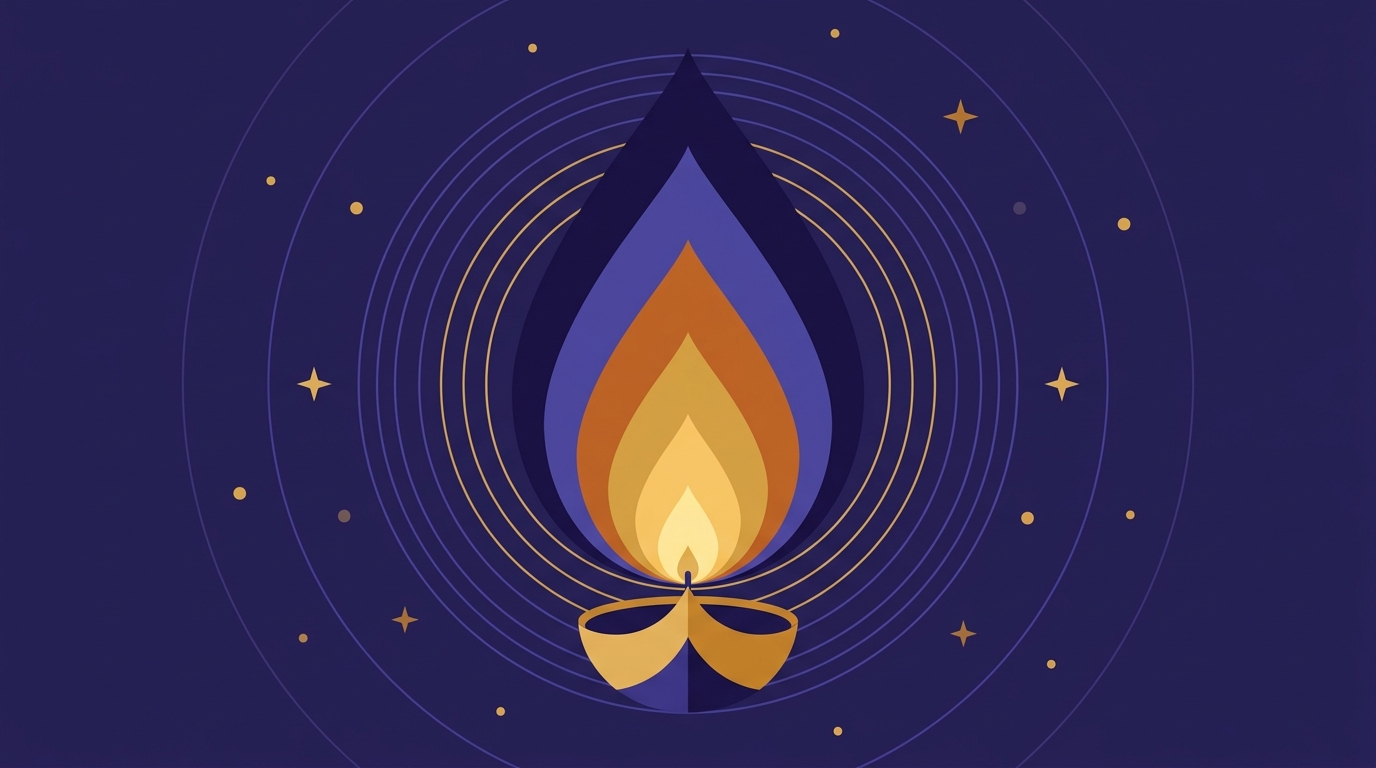
The five are not five separate souls. The tradition describes them as five levels of one soul, the way one flame has a dark base, a bright body, and a point of white at the top. Each level is a vessel for the next one. The lower levels give the higher ones a place to live in a body, and the higher ones give the lower ones their light and direction.
This is why a practice at one level changes the others. A mitzvah done with the body draws light into the Nefesh. Prayer with intention draws it into the Ruach. Study, done with an open mind, draws it into the Neshamah.
What it means to live this way
The ordinary person lives mainly in the Nefesh and the Ruach, which is to say, in the body and the emotions. The Kabbalists encourage a person to lift his awareness in stages, and not to look for the highest levels first. A person who disciplines his body and his character prepares the vessels in which understanding can later arrive.
Each level is tied to a world, and the four worlds have their own article. How a soul returns is explained in Sha’ar HaGilgulim, and a fuller picture of the soul’s structure is in Mindset in Kabbalah and the Soul’s Architecture.